
Book an appointment with one of our expert doctors today,


Venous leg ulcers (VLUs) are the most common type of lower-leg wound. They form when the veins in the legs struggle to return blood to the heart, causing pressure to build up in the tissues. With the right compression therapy, wound care, and lifestyle changes, most venous ulcers can heal and recurrence can be meaningfully reduced. Allevio Care Anywhere provides in-home venous leg ulcer care across Utah, Idaho, Nebraska, and Texas.
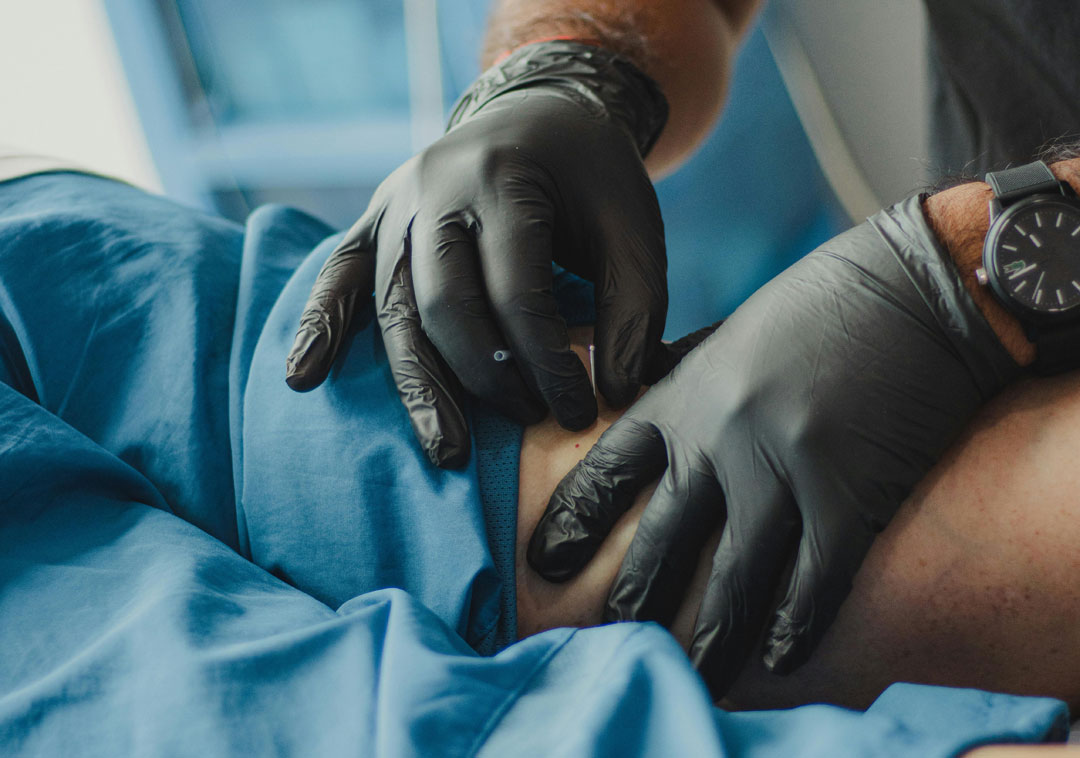
Venous leg ulcers are caused by chronic venous insufficiency, a condition in which the valves in the leg veins no longer close properly. Blood pools in the lower legs, pressure rises, and fluid and inflammatory cells leak into the tissue. Over time, the skin becomes fragile and breaks down, often after a minor bump or scratch.
Understanding what causes venous ulcers on legs can help guide the right treatment approach. By identifying these underlying risk factors, care can be tailored to improve circulation, support healing, and reduce the risk of recurrence.
Evidence-based venous leg ulcer care has three pillars: confirming the diagnosis, applying appropriate compression, and preparing the wound bed. Our in-home program covers all three.
This comprehensive approach helps address both the wound and the underlying circulation issues. With consistent, personalized venous leg ulcer treatment, patients can experience improved healing, reduced discomfort, and a lower risk of recurrence over time.
Venous leg ulcers recur in a significant percentage of patients, especially in the first year after healing. Long-term compression stockings, leg elevation, walking, calf-muscle exercise, weight management, and good skin care all lower recurrence risk. Our providers help set up a long-term maintenance plan before we discharge you from active wound care.
If you notice any of these symptoms, seek medical attention right away. For urgent concerns, contact your provider or emergency services immediately. For follow-up support and ongoing care, Allevio Care Anywhere offers in-home visits across Utah, Idaho, Nebraska, and Texas to help you recover safely and with confidence.
Allevio Care Anywhere provides in-home wound care across Utah, Idaho, Nebraska, and Texas. Our providers travel to patients in private homes, assisted living facilities, skilled nursing communities, and other settings where care is needed.
Why do I need compression?
Compression is the single most important treatment for venous leg ulcers. It reduces the backflow of blood, decreases swelling, and helps the skin and wound heal. Dressings alone, without compression, are usually not enough to close a true venous ulcer.
How long does it take a venous leg ulcer to heal?
Many venous ulcers heal within 12–24 weeks of consistent compression and appropriate wound care. Larger or longer-standing ulcers, or ulcers with mixed arterial-venous disease, can take longer. Your provider will set realistic expectations based on your specific wound and circulation.
Do I have to wear compression stockings forever?
Most people with a history of venous leg ulcers benefit from long-term daily compression to prevent recurrence. Compression doesn’t have to be uncomfortable. Proper fit, the right strength, and tools to help put stockings on make a significant difference.
Can I keep walking with a venous leg ulcer and compression wraps?
In most cases, yes; walking actually helps. The calf muscle acts as a second pump to push blood back to the heart. Your doctor will advise on appropriate activity levels for your specific wound and compression system.
Do you treat both legs if I have ulcers on each side?
Yes. Bilateral (both-leg) venous disease is common. We treat both legs in a single visit and adjust the care plan as one side heals faster than the other.


Treats arterial ulcers by improving circulation and healing wounds through coordinated in-home care.
Learn MoreLearn More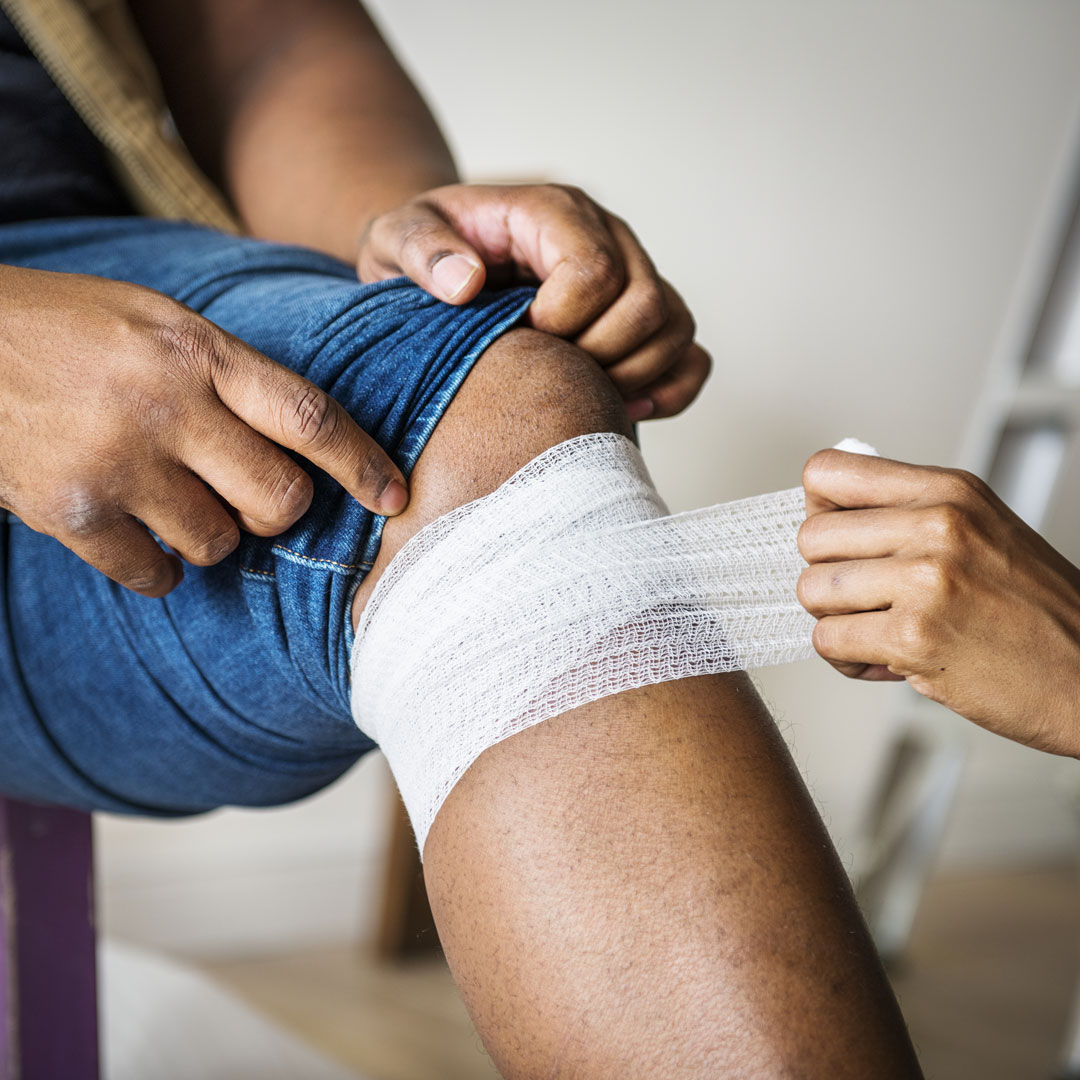
A wound is generally considered chronic when it has not progressed meaningfully through the normal stages.
Learn MoreLearn More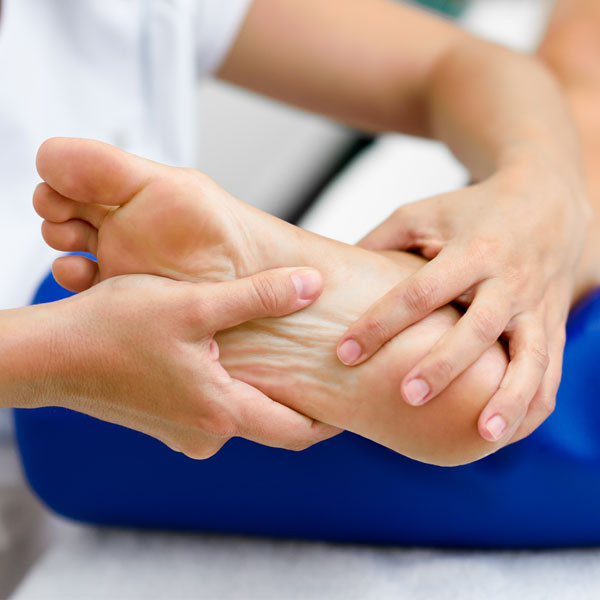
In-home care treats diabetic foot ulcers by managing pressure, circulation, infection, and promoting healing.
Learn MoreLearn More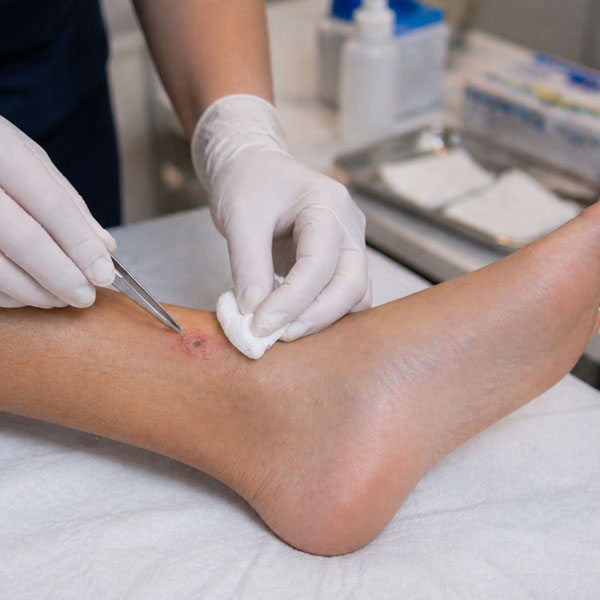
In-home care treats infected wounds with timely intervention, antibiotics, and coordinated physician-led infection management.
Learn MoreLearn More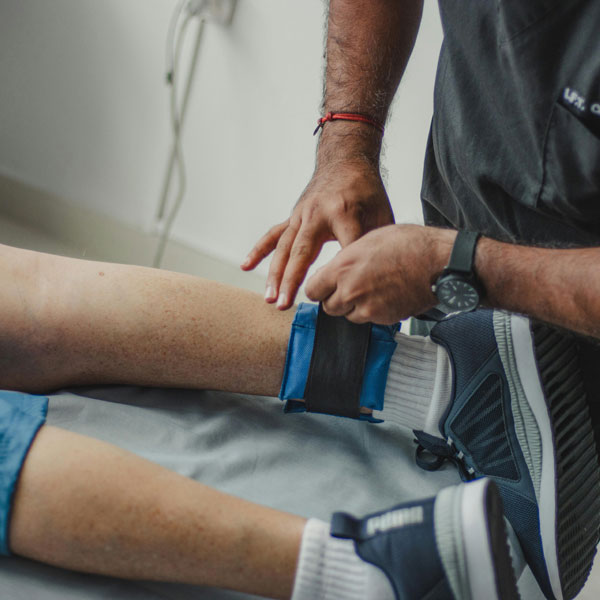
In-home care treats pressure injuries through pressure relief, skin care, nutrition, and effective wound management.
Learn MoreLearn More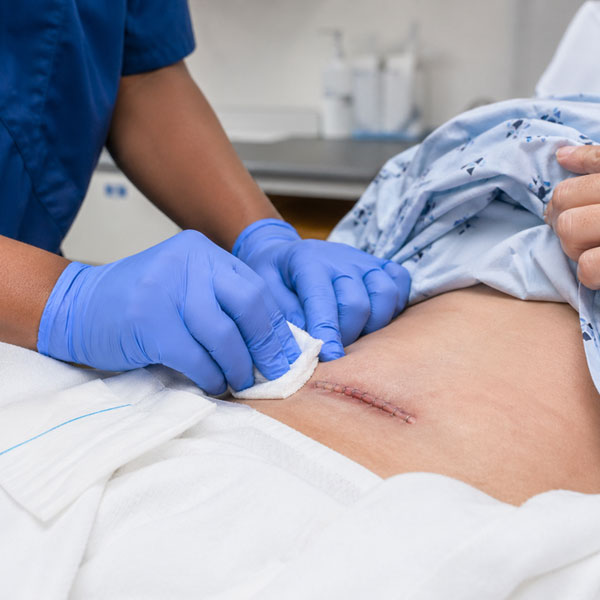
In-home care supports surgical wound recovery through monitoring, dressing changes, and coordinated physician-led complication prevention.
Learn MoreLearn More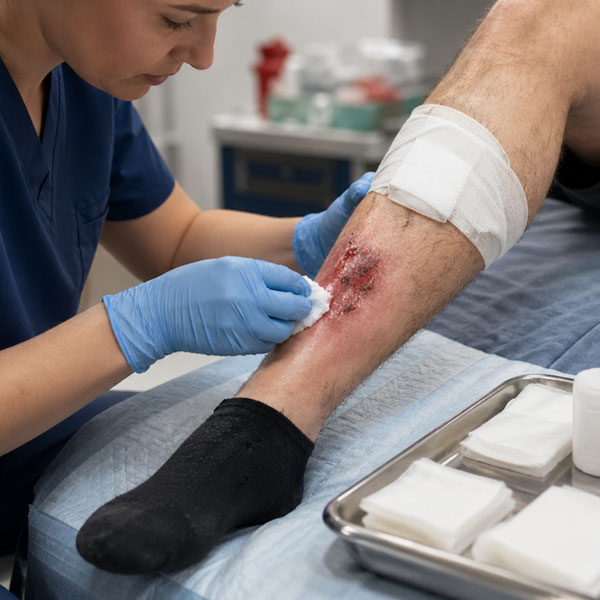
In-home care treats traumatic wounds quickly, reducing complications and promoting proper healing after injuries.
Learn MoreLearn More
In-home care treats venous leg ulcers using compression, wound care, and lifestyle changes for healing.
Learn MoreLearn More


