
Book an appointment with one of our expert doctors today,


A wound infection happens when bacteria overwhelm the tissue’s ability to defend itself. Prompt recognition and the right combination of wound care and, when needed, antibiotics can stop infection before it spreads. Allevio Care Anywhere provides in-home infected wound care across Utah, Idaho, Nebraska, and Texas, coordinating closely with your doctor.
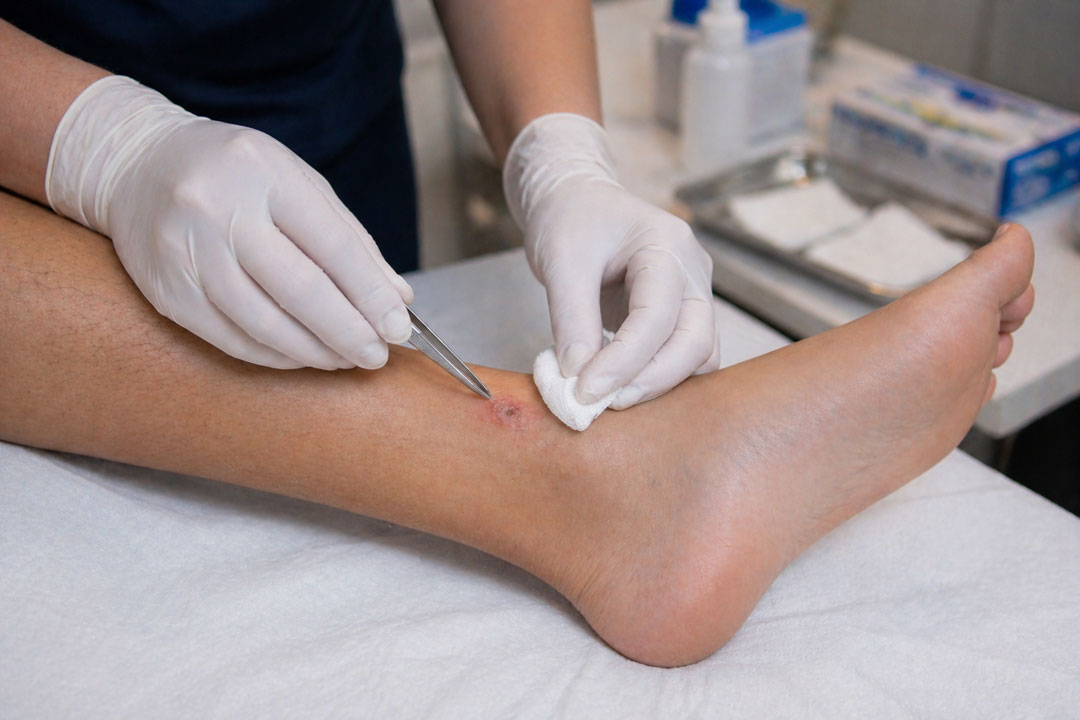
Any open wound is vulnerable to infection, but some situations raise risk significantly: wounds contaminated (with soil, saliva, or debris), deep puncture wounds, bites, burns, wounds in areas with poor circulation, and wounds in people whose immune system or wound healing is impaired.
How do you know if a wound is infected? Recognizing the early signs is important to prevent complications and get timely care. Infection can be local (limited to the wound area) or systemic (affecting the whole body). Local signs to watch for include:
Systemic signs are a reason to seek care the same day:
This approach helps control infection while supporting safe, effective healing at home. With personalized treatment for infected wound concerns, Allevio Care Anywhere delivers expert care and close monitoring directly to you. Our team serves patients across Utah, Idaho, Nebraska, and Texas, ensuring reliable support throughout your recovery.
Allevio Care Anywhere provides in-home wound care across Utah, Idaho, Nebraska, and Texas. Our providers travel to patients in private homes, assisted living facilities, skilled nursing communities, and other settings where care is needed.
How do I know if my wound is really infected?
Some redness, warmth, and mild drainage are normal in early healing. Infection is more likely when redness spreads, pain worsens over several days, drainage becomes cloudy or foul-smelling, or you develop a fever. When in doubt, have it evaluated, catching infection early is far better than waiting.
Do I still need to see my doctor if Allevio Care Anywhere is seeing me at home?
Yes. In-home wound care complements your relationship with your physician; it does not replace it. We share visit notes and coordinate directly with your provider.
How long does it take an infection to resolve?
Timelines vary. Mild local infections often improve within days of appropriate care. Deeper or more complex infections, especially those involving bone, implanted hardware, or significant tissue loss can take weeks of coordinated therapy. Your provider will set expectations for your specific situation.


Treats arterial ulcers by improving circulation and healing wounds through coordinated in-home care.
Learn MoreLearn More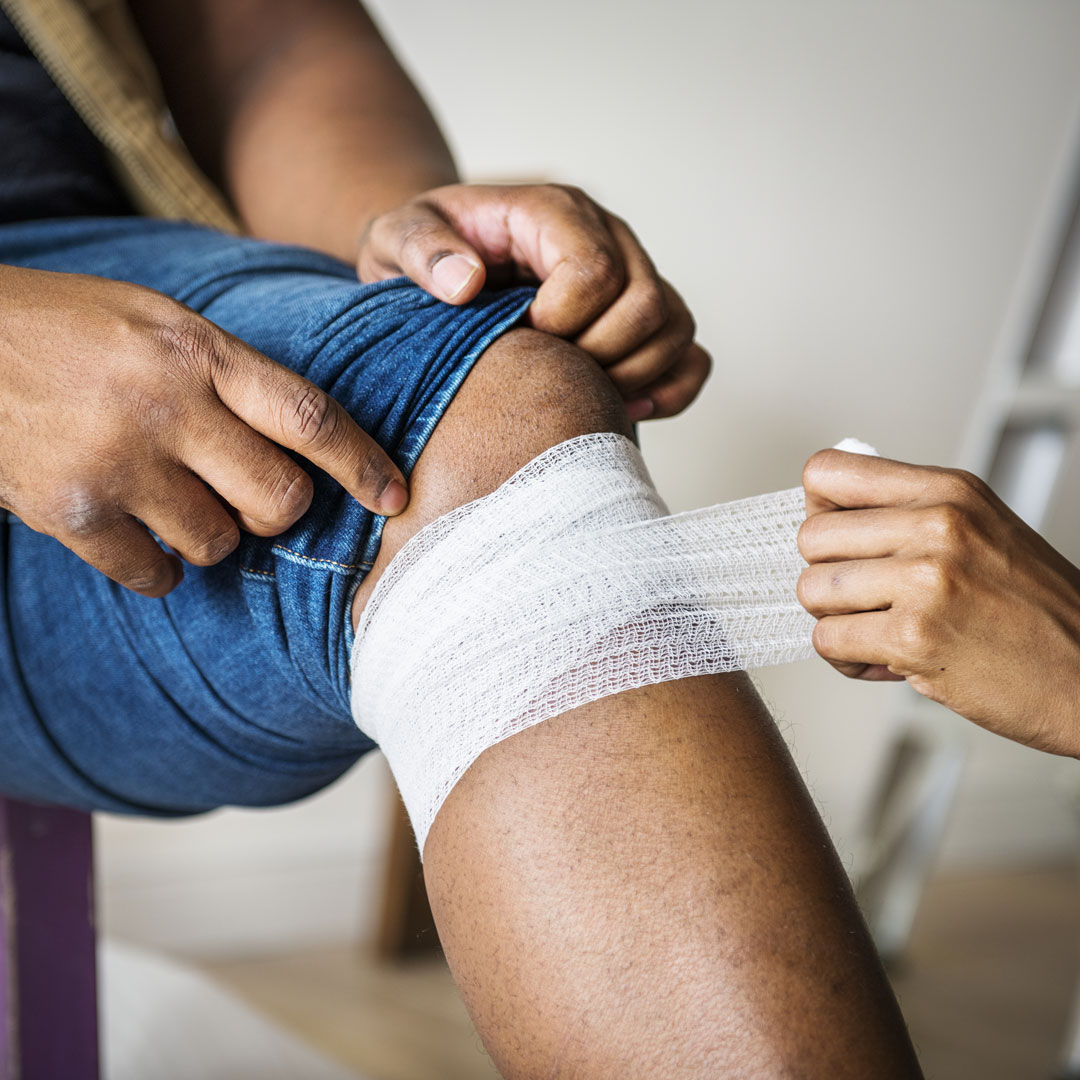
A wound is generally considered chronic when it has not progressed meaningfully through the normal stages.
Learn MoreLearn More
In-home care treats diabetic foot ulcers by managing pressure, circulation, infection, and promoting healing.
Learn MoreLearn More
In-home care treats infected wounds with timely intervention, antibiotics, and coordinated physician-led infection management.
Learn MoreLearn More
In-home care treats pressure injuries through pressure relief, skin care, nutrition, and effective wound management.
Learn MoreLearn More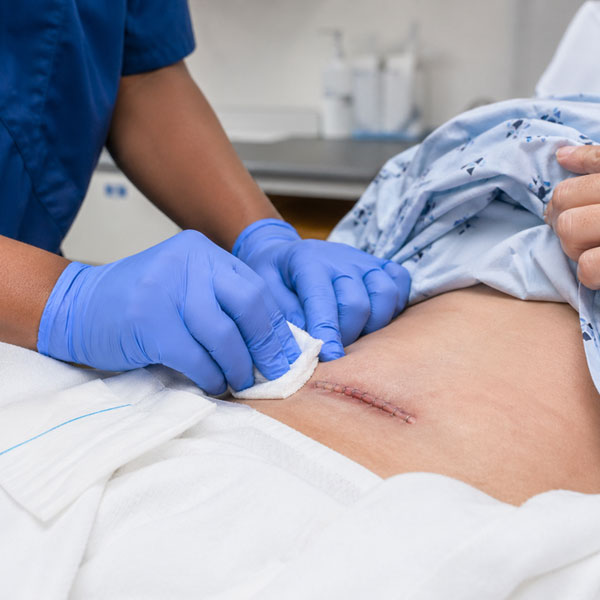
In-home care supports surgical wound recovery through monitoring, dressing changes, and coordinated physician-led complication prevention.
Learn MoreLearn More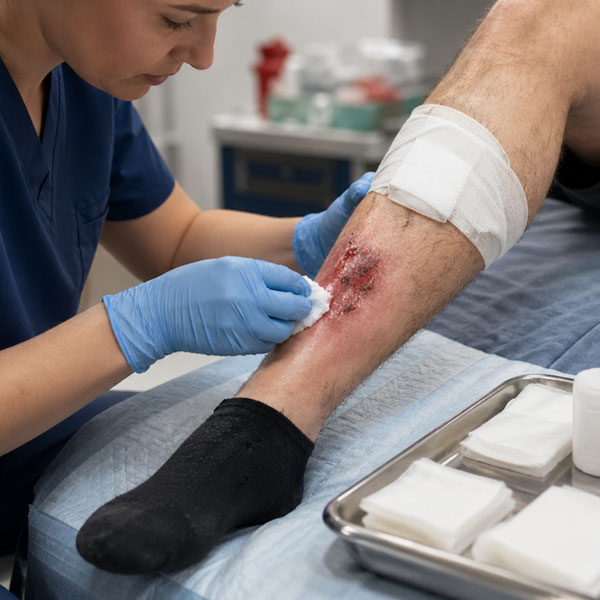
In-home care treats traumatic wounds quickly, reducing complications and promoting proper healing after injuries.
Learn MoreLearn More
In-home care treats venous leg ulcers using compression, wound care, and lifestyle changes for healing.
Learn MoreLearn More


