
Book an appointment with one of our expert doctors today,


A pressure injury, sometimes called a bedsore, pressure ulcer, or decubitus ulcer, is skin and tissue damage caused by prolonged or intense pressure. Pressure injuries are common in people with limited mobility, but with the right combination of pressure redistribution, skin care, nutrition, and wound management, many can heal and many more can be prevented. Allevio Care Anywhere provides in-home pressure injury care across Utah, Idaho, Nebraska, and Texas.

Pressure injuries happen when sustained pressure on the skin reduces blood flow to the tissue underneath. Without enough blood flow, cells become damaged and can die. They develop most often over bony areas - the tailbone (sacrum), heels, hips, back of the head, shoulder blades, elbows, and ankles - and in people who cannot easily reposition themselves.
Pressure injuries are classified into six categories based on how deep the damage goes:
Most pressure injuries are preventable with consistent, coordinated care. Prevention includes:
This comprehensive approach supports both healing and long-term prevention by addressing the root causes of pressure injuries. Allevio Care Anywhere provides expert, compassionate care directly in your home, helping patients and caregivers feel confident throughout recovery. With services available across Utah, Idaho, Nebraska, and Texas, our team ensures consistent, high-quality support where and when it’s needed most.
Allevio Care Anywhere provides in-home wound care across Utah, Idaho, Nebraska, and Texas. Our providers travel to patients in private homes, assisted living facilities, skilled nursing communities, and other settings where care is needed.
Are “bedsore,” “pressure ulcer,” and “pressure injury” the same thing?
Yes. “Pressure injury” is the current clinical, but “pressure ulcer” and “bedsore” are still widely used and refer to the same condition
Can a Stage 4 pressure injury heal at home?
It depends on many factors such as overall health, circulation, nutrition, the ability to consistently offload the area, and whether infection is controlled. Some Stage 4 injuries heal with coordinated home-based care; others require surgical intervention. Your provider will set realistic expectations and work with your doctor on the right plan.
What is the single most important thing a caregiver can do?
Repositioning on a regular schedule, typically every 2 hours in bed and every 15–30 minutes in a chair, paired with daily skin checks. These two habits prevent more pressure injuries than any single product or dressing.
Can Allevio Care Anywhere providers come to a nursing home or assisted living facility?
Yes. We provide wound care in any setting where the patient lives, including long-term care, assisted living, memory care, and private homes across Utah, Idaho, Nebraska, and Texas.


Treats arterial ulcers by improving circulation and healing wounds through coordinated in-home care.
Learn MoreLearn More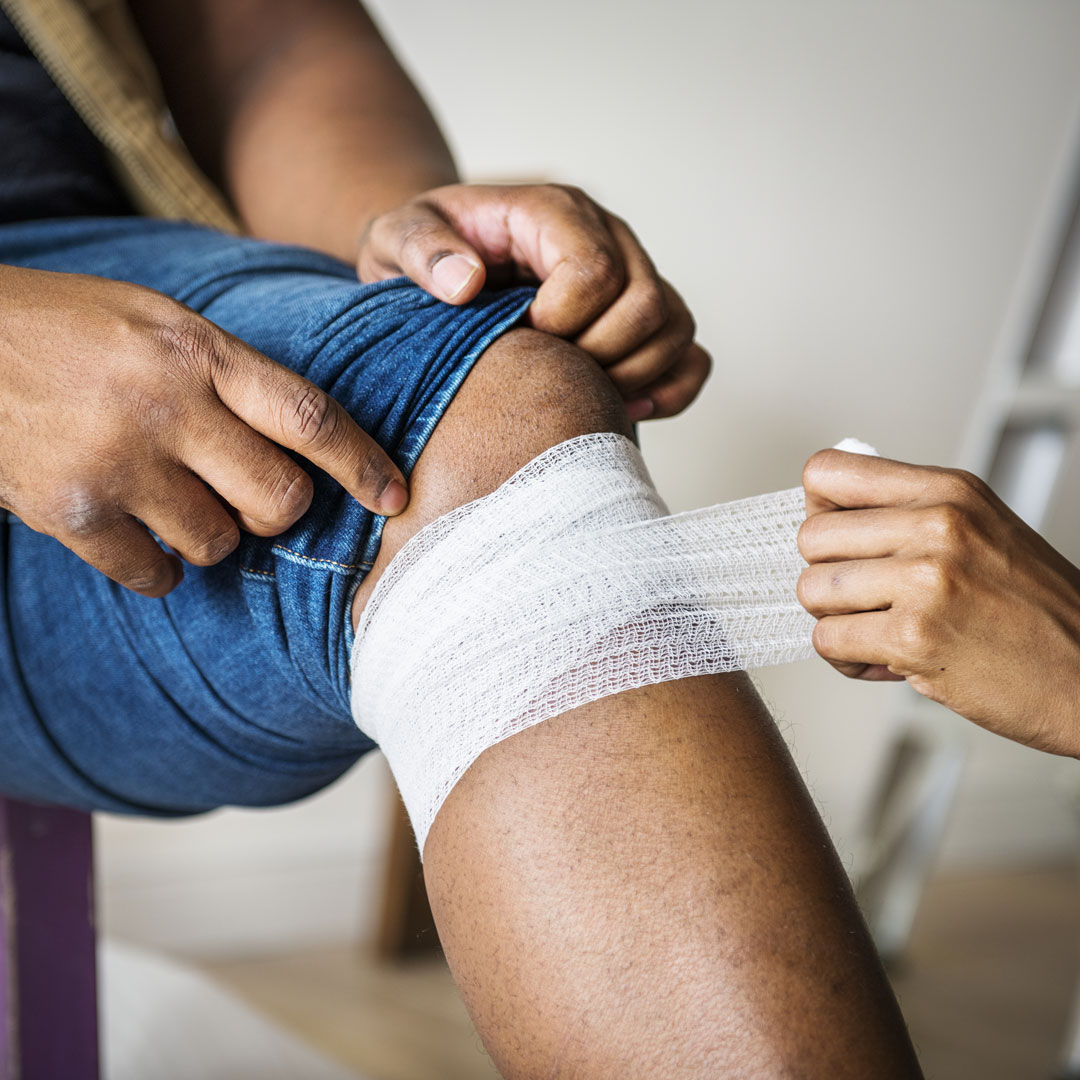
A wound is generally considered chronic when it has not progressed meaningfully through the normal stages.
Learn MoreLearn More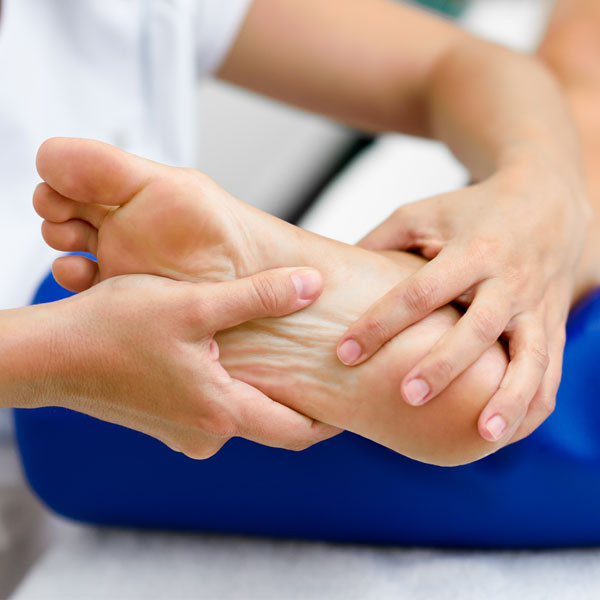
In-home care treats diabetic foot ulcers by managing pressure, circulation, infection, and promoting healing.
Learn MoreLearn More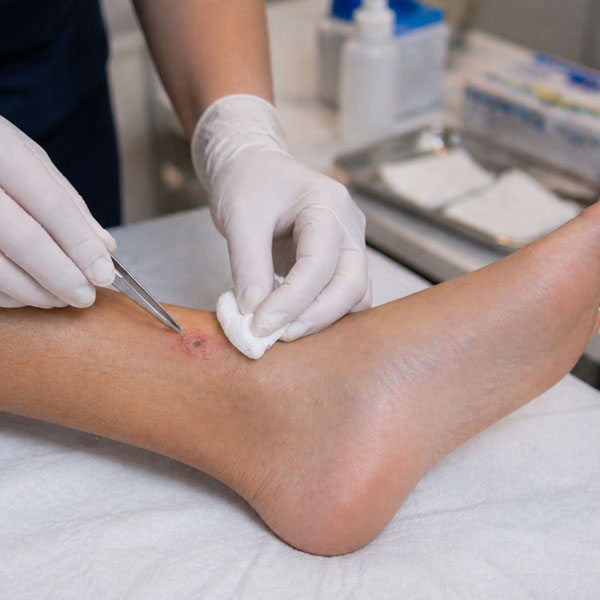
In-home care treats infected wounds with timely intervention, antibiotics, and coordinated physician-led infection management.
Learn MoreLearn More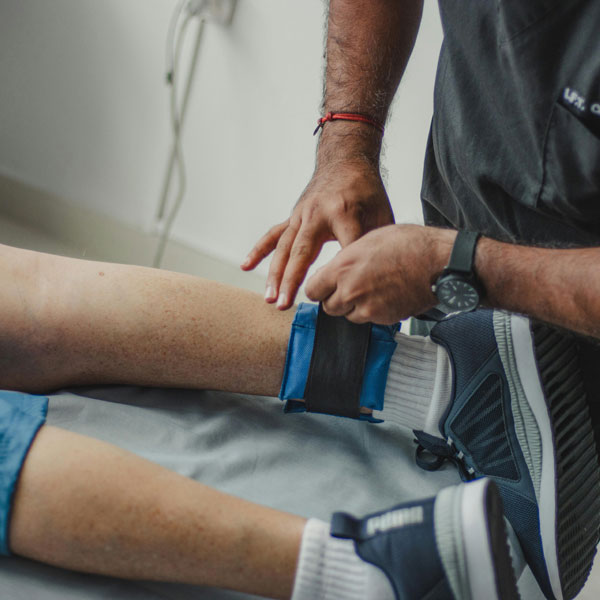
In-home care treats pressure injuries through pressure relief, skin care, nutrition, and effective wound management.
Learn MoreLearn More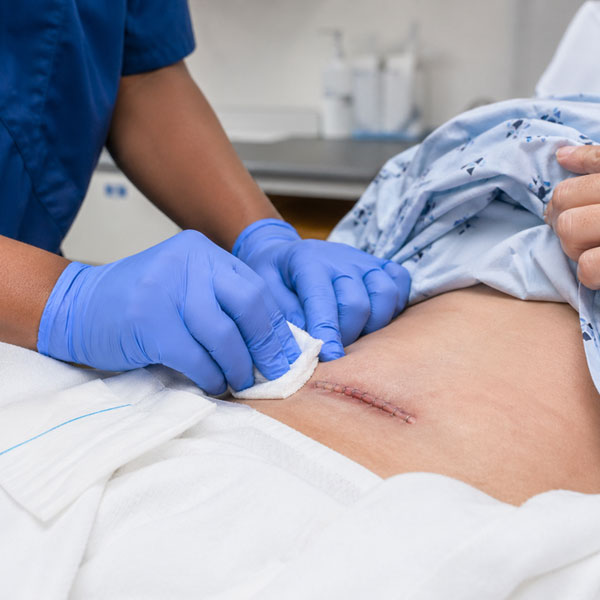
In-home care supports surgical wound recovery through monitoring, dressing changes, and coordinated physician-led complication prevention.
Learn MoreLearn More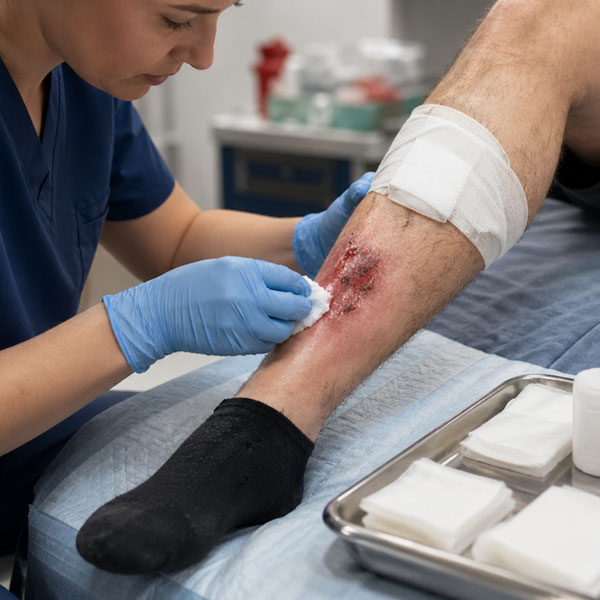
In-home care treats traumatic wounds quickly, reducing complications and promoting proper healing after injuries.
Learn MoreLearn More
In-home care treats venous leg ulcers using compression, wound care, and lifestyle changes for healing.
Learn MoreLearn More


