
Book an appointment with one of our expert doctors today,


Diabetes changes how the body detects injury, fights infection, and heals wounds. A small blister, callus, or scrape on the foot can quickly become a serious diabetic foot ulcer. Allevio Care Anywhere delivers in-home diabetic wound care across Utah, Idaho, Nebraska, and Texas.

A diabetic foot ulcer is an open wound on the foot that develops in a person with diabetes, most often on the bottom of the foot, the toes, or over areas of repeated pressure. Diabetic foot ulcers are typically driven by three factors working together: peripheral neuropathy (reduced sensation), peripheral artery disease (reduced blood flow), and repetitive pressure or minor trauma the person may not feel.
Understanding why a diabetic foot wound requires special care starts with recognizing the unique factors that affect healing and increase the risk of complications.
A complete diabetic wound care at home plan addresses both the wound and the underlying causes that led to its development. Our specialists provide:
When a diabetic foot ulcer has not progressed as expected after several weeks of standard care, your physician may add advanced therapies such as negative-pressure wound therapy, tissue-based products (skin substitutes), or low-frequency noncontact ultrasound (UltraMIST). We help coordinate and deliver these therapies at home when ordered and medically appropriate. Outcomes depend on many factors, including circulation, glycemic control, offloading adherence, and the specific wound.
Allevio Care Anywhere provides in-home wound care across Utah, Idaho, Nebraska, and Texas. Our providers travel to patients in private homes, assisted living facilities, skilled nursing communities, and other settings where care is needed.
How long does a diabetic foot ulcer take to heal?
Healing times vary widely. Many uncomplicated diabetic foot ulcers heal within 12–20 weeks with consistent offloading, good blood-sugar control, and adequate circulation. Deeper wounds, wounds with infection, or wounds with poor circulation can take longer or may need surgical intervention. Your provider will set realistic expectations based on your specific situation.
Do I really need a total contact cast?
For many plantar diabetic foot ulcers, a non-removable offloading device is the most effective way to heal. Your provider will discuss options, including total contact casts, removable walkers made non-removable, and other alternatives, based on the ulcer location, your circulation, and what you can safely tolerate.
Can I still walk with a diabetic foot ulcer?
Activity should be limited and done only with appropriate offloading. Walking on an ulcerated foot without offloading is one of the most common reasons diabetic foot ulcers fail to heal. We will review what level of activity is safe based on your wound and offloading device.
What should I check on my feet every day?
Look at the tops, bottoms, sides, and between the toes of both feet every day, using a mirror or a family member’s help if needed. Watch for new redness, blisters, cuts, swelling, color changes, or warmth. Any new finding on a diabetic foot deserves a same-week clinical check or sooner if you have warning signs.
Does diabetic wound care stop once the ulcer closes?
Closing the wound is only the first milestone. Because recurrence rates are high in the first year after healing, ongoing prevention such as protective footwear, regular foot exams, callus management, and blood-sugar control is an important part of long-term care.


Treats arterial ulcers by improving circulation and healing wounds through coordinated in-home care.
Learn MoreLearn More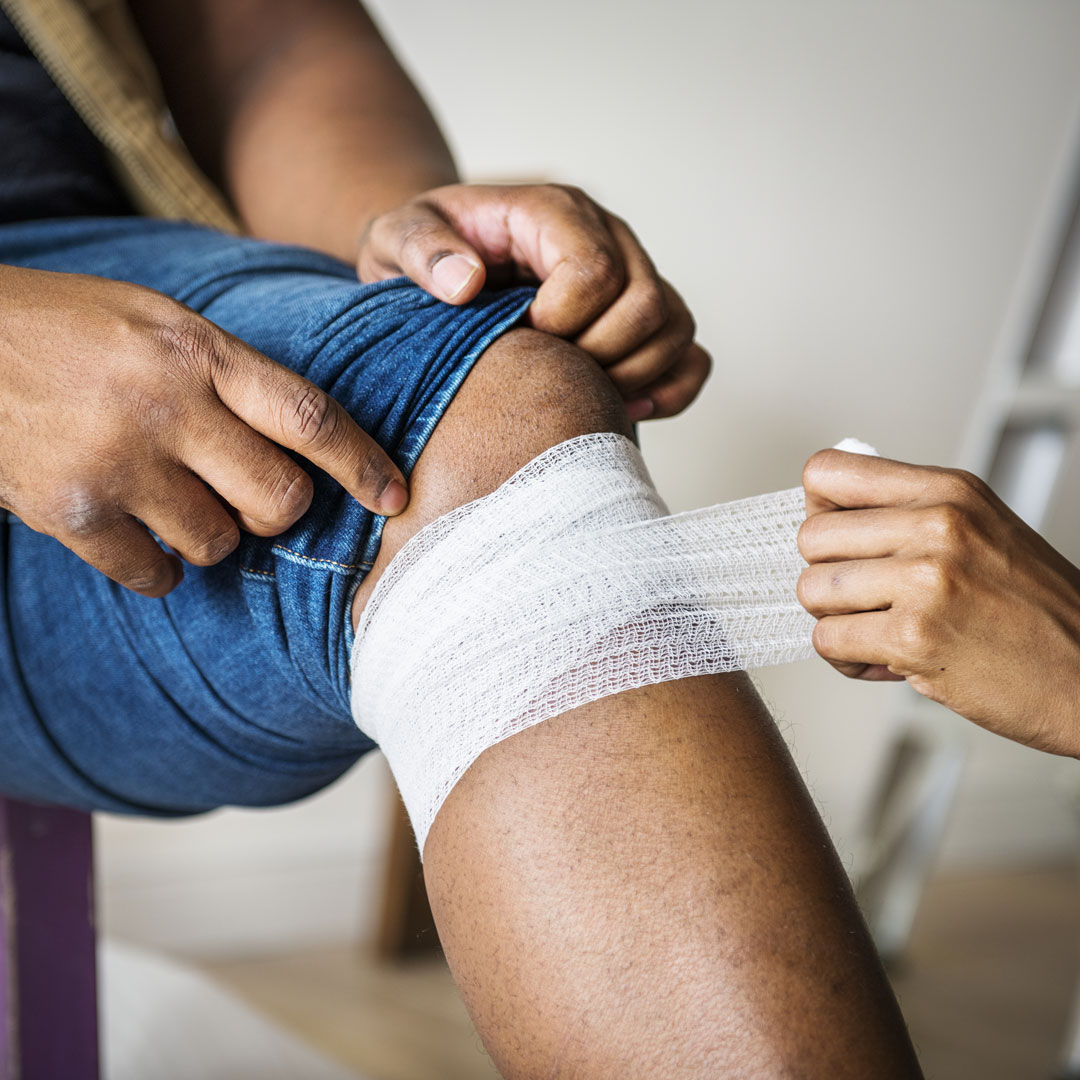
A wound is generally considered chronic when it has not progressed meaningfully through the normal stages.
Learn MoreLearn More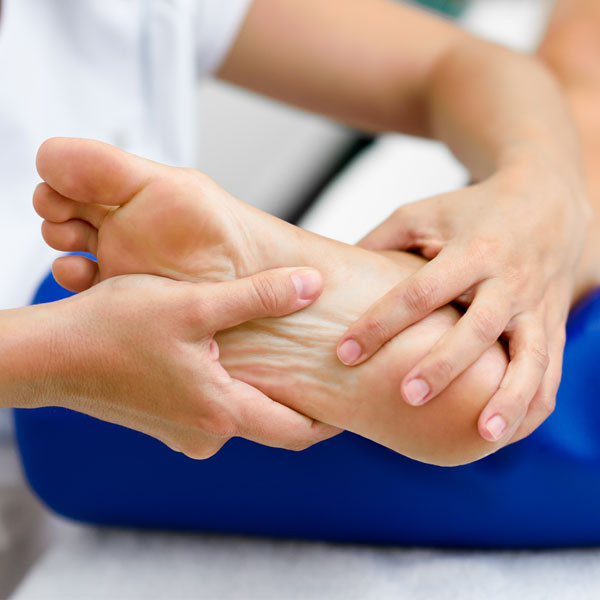
In-home care treats diabetic foot ulcers by managing pressure, circulation, infection, and promoting healing.
Learn MoreLearn More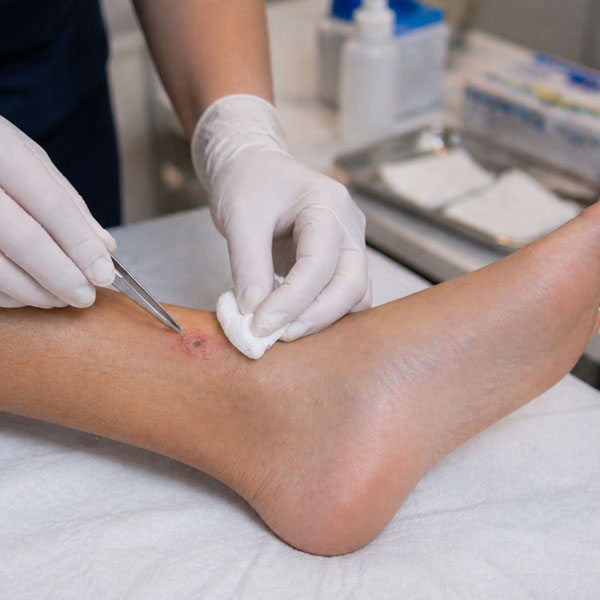
In-home care treats infected wounds with timely intervention, antibiotics, and coordinated physician-led infection management.
Learn MoreLearn More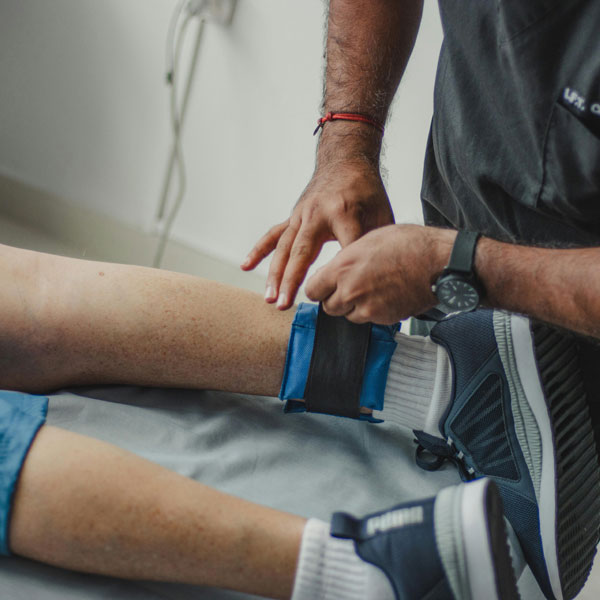
In-home care treats pressure injuries through pressure relief, skin care, nutrition, and effective wound management.
Learn MoreLearn More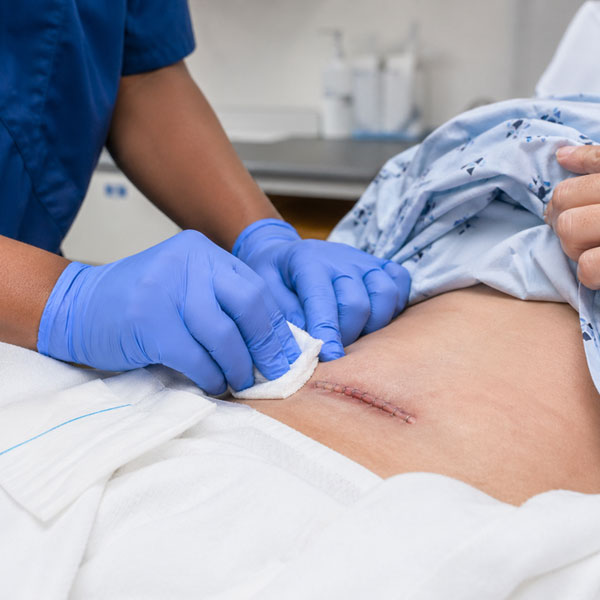
In-home care supports surgical wound recovery through monitoring, dressing changes, and coordinated physician-led complication prevention.
Learn MoreLearn More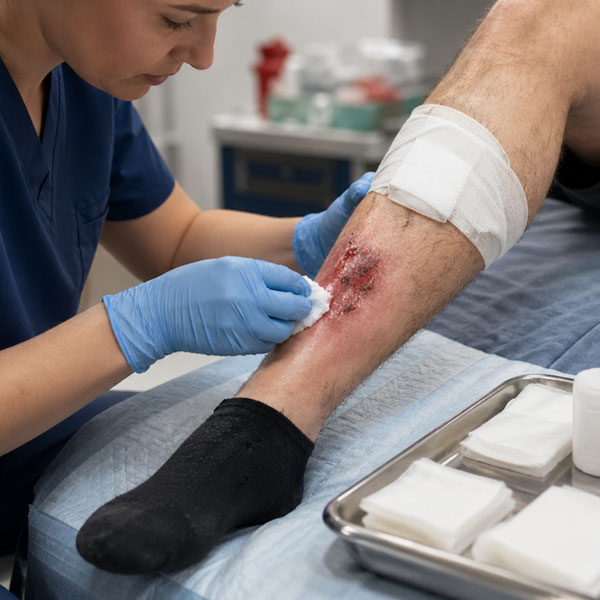
In-home care treats traumatic wounds quickly, reducing complications and promoting proper healing after injuries.
Learn MoreLearn More
In-home care treats venous leg ulcers using compression, wound care, and lifestyle changes for healing.
Learn MoreLearn More


