
Book an appointment with one of our expert doctors today,


Recovery after surgery often continues long after you leave the hospital. Incisions need to be monitored, dressings changed, and early signs of complications caught quickly. Allevio Care Anywhere delivers skilled post-operative wound care in your home across Utah, Idaho, Nebraska, and Texas, working directly with your surgeon and primary care physician to support a smooth recovery.
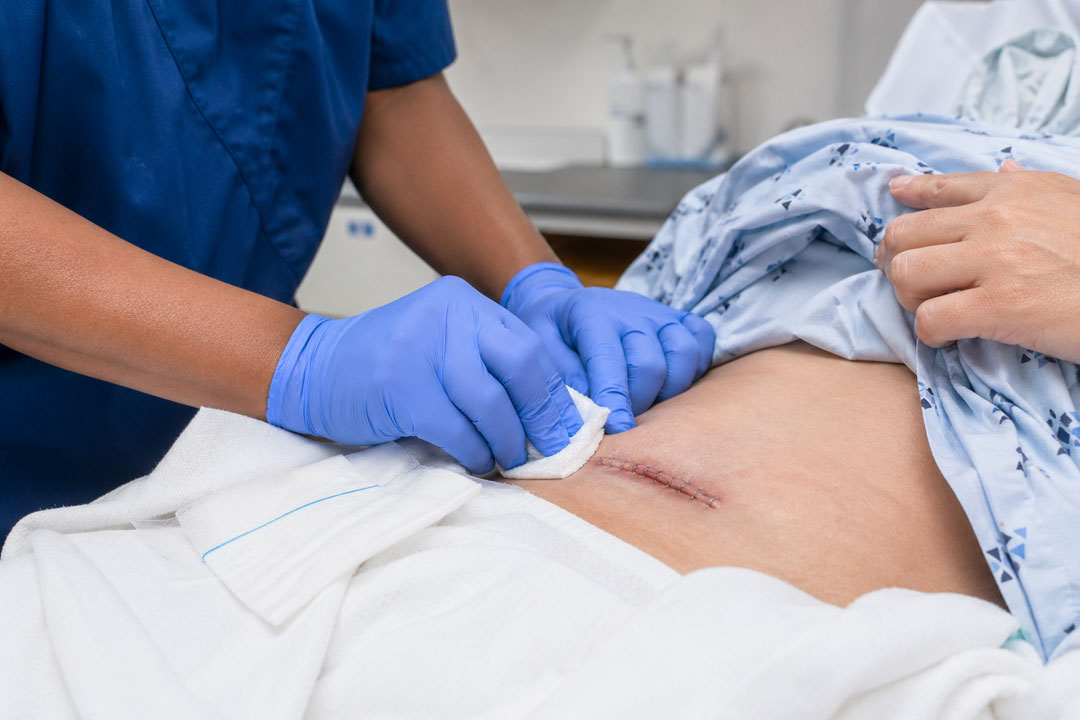
A surgical wound is any incision made by a surgeon, whether from a planned operation, a trauma repair, or an emergency procedure. Most surgical wounds heal well when kept clean and protected, but some need close outpatient monitoring to prevent complications, particularly after longer operations, complex procedures, or in higher-risk patients.
After surgery, wounds can present different challenges depending on the procedure and your overall health. Our in-home wound care services are designed to manage these complications early, providing expert monitoring and treatment in the comfort of your home to support safe, steady healing.
Some redness and mild swelling along an incision can be normal for the first few days. Contact your surgical team promptly if you notice:
Each step is designed to ensure your recovery stays on track while reducing the need for frequent clinic visits. With in-home wound care across Utah, Idaho, Nebraska, and Texas, you receive consistent, professional support and real-time coordination with your care team, all in the comfort of your home.
Allevio Care Anywhere provides in-home wound care across Utah, Idaho, Nebraska, and Texas. Our providers travel to patients in private homes, assisted living facilities, skilled nursing communities, and other settings where care is needed.
Can you remove sutures or staples at home?
Yes, when it is ordered by your surgeon and appropriate timing has been confirmed. Our providers document removal and reinforce the incision when indicated.
What if my incision starts to open or drain unexpectedly?
Contact us right away. We can usually see you quickly to assess, re-dress the wound, and coordinate directly with your surgeon. For sudden, large openings or heavy bleeding, call your surgeon’s office or 911 immediately rather than waiting for us.
When is a follow-up visit with the surgeon still needed?
Your surgeon usually still wants to see you for specific post-operative checkpoints even while in-home wound care is in place. We will share our notes and photographs with your care team.
What are the stages of surgical wound healing?
Surgical wound healing occurs in four main stages. First is hemostasis, which happens immediately after surgery as the body works to stop bleeding through clot formation. Followed by the inflammatory stage, where the immune system removes bacteria and damaged tissue. Next is the proliferative stage, during which new tissue, blood vessels, and collagen begin to form to close the wound. Finally, the maturation (remodeling) stage strengthens the tissue over time, helping the wound fully close and the skin regain as much function and structure as possible.
How long does it take a surgical wound to heal?
Most surgical wounds begin to heal within 1–2 weeks, but full healing can take several weeks to months depending on the size, depth, and overall health. Factors like diabetes, circulation issues, and infection can slow the healing process. Following proper post-surgical wound care instructions and monitoring for signs of complications can help support faster, safer recovery.


Treats arterial ulcers by improving circulation and healing wounds through coordinated in-home care.
Learn MoreLearn More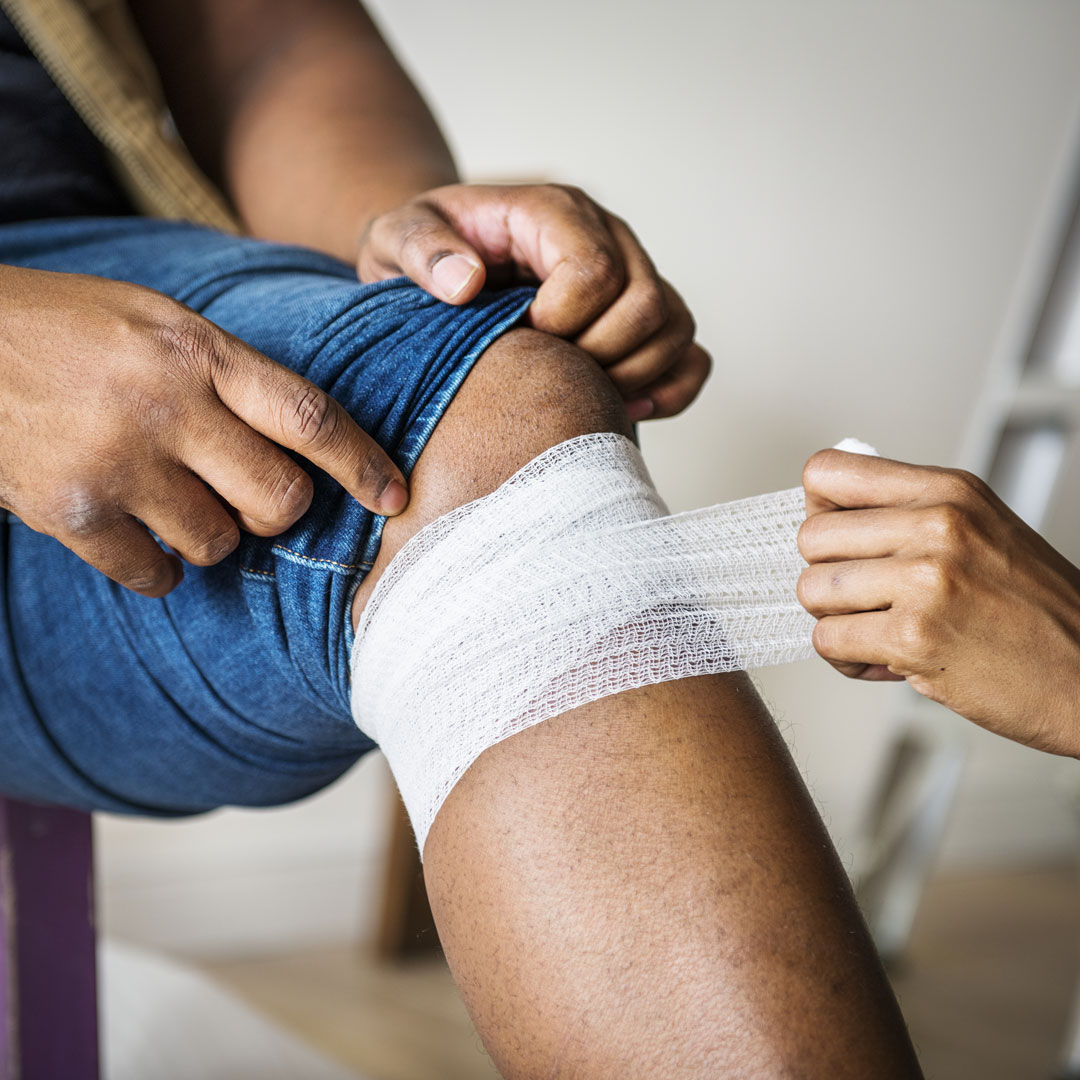
A wound is generally considered chronic when it has not progressed meaningfully through the normal stages.
Learn MoreLearn More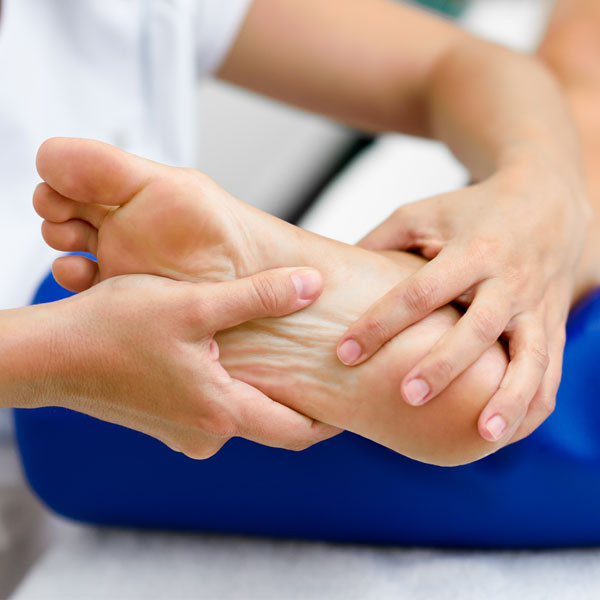
In-home care treats diabetic foot ulcers by managing pressure, circulation, infection, and promoting healing.
Learn MoreLearn More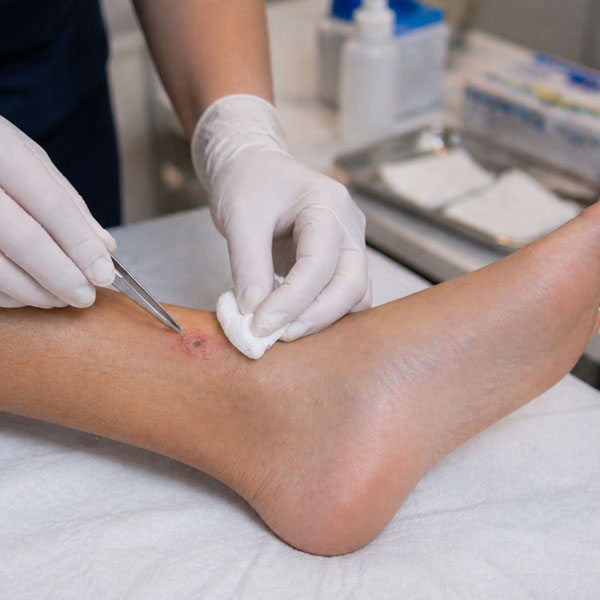
In-home care treats infected wounds with timely intervention, antibiotics, and coordinated physician-led infection management.
Learn MoreLearn More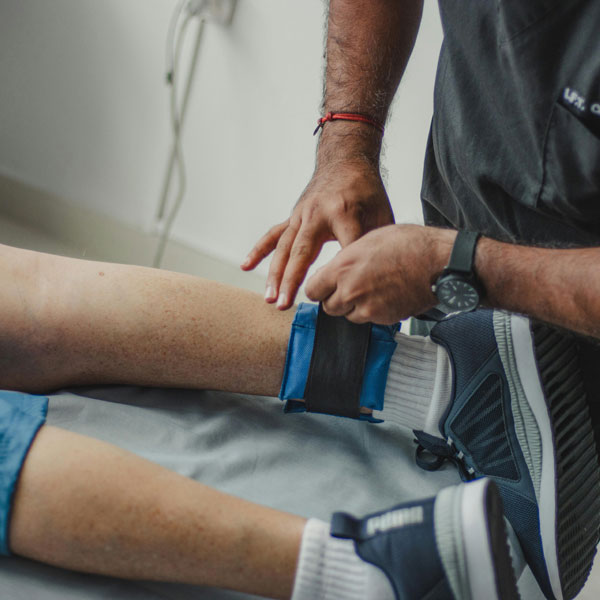
In-home care treats pressure injuries through pressure relief, skin care, nutrition, and effective wound management.
Learn MoreLearn More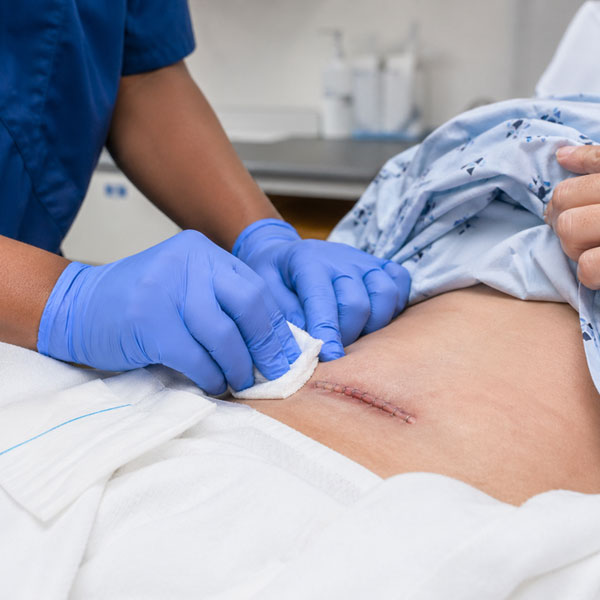
In-home care supports surgical wound recovery through monitoring, dressing changes, and coordinated physician-led complication prevention.
Learn MoreLearn More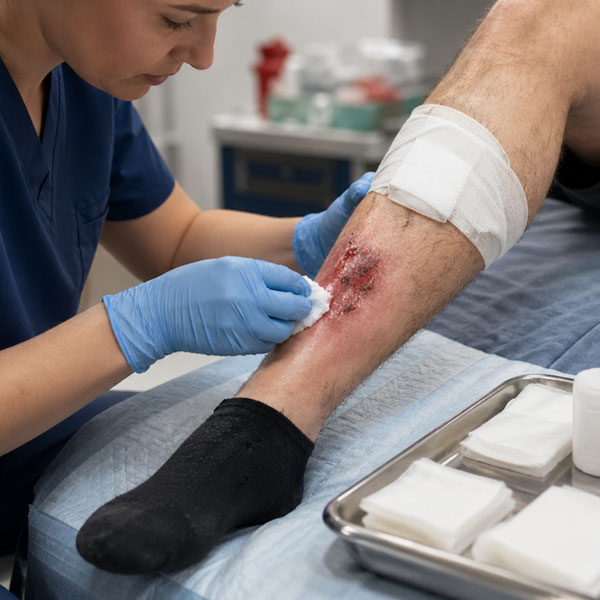
In-home care treats traumatic wounds quickly, reducing complications and promoting proper healing after injuries.
Learn MoreLearn More
In-home care treats venous leg ulcers using compression, wound care, and lifestyle changes for healing.
Learn MoreLearn More


