


Noticing a dark or discolored toenail can be concerning, especially when the cause isn’t immediately clear or when there’s little to no pain. A bruised toenail is a common condition, often resulting from minor trauma or repeated pressure. However, changes in nail color should never be dismissed without careful observation, particularly for individuals with underlying health conditions.
Because the feet are exposed to constant impact and pressure, nail injuries are relatively common. In most cases, they are harmless and resolve over time. Still, understanding what’s typical, what may require attention, and how to respond appropriately can help prevent unnecessary complications.
What Is a Bruised Toenail?
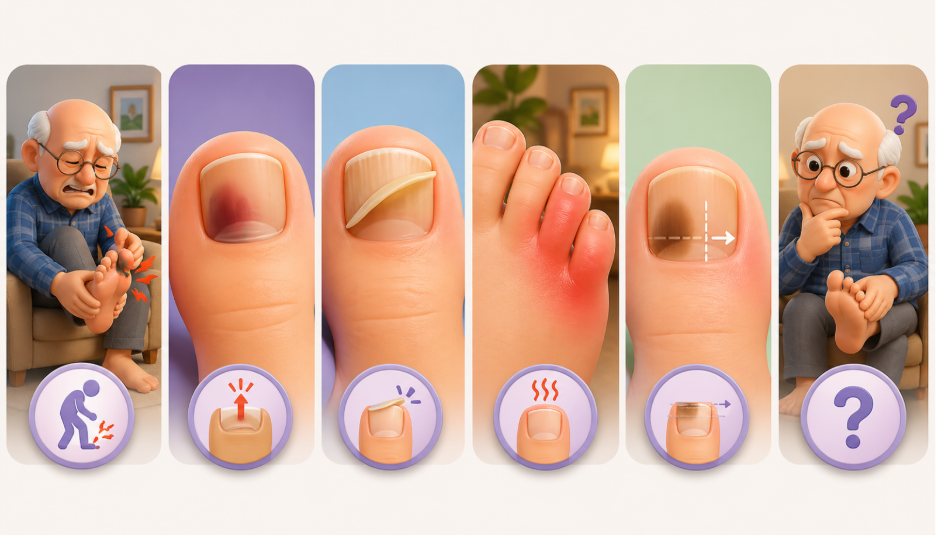
A bruised toenail, medically known as a subungual hematoma, occurs when blood accumulates beneath the nail following trauma. This trapped blood leads to visible discoloration that may appear:
- Dark red
- Purple
- Brown
- Black
The discoloration may initially look alarming, but it often reflects a localized injury rather than a serious underlying issue.
Common Causes of a Bruised Toenail
A bruised toe nail can develop in several ways, ranging from a single impact to repeated stress over time.
Direct Injury
- Stubbing the toe
- Dropping a heavy object on the foot
- Sudden impact during sports or daily activity
Repetitive Pressure
- Tight or poorly fitted footwear
- Running, hiking, or high-impact exercise
- Extended periods of walking or standing
Structural and Nail Factors
- Thickened or curved nails
- Improper nail trimming
- Toe alignment issues that increase friction
The bruised big toe nail is the most frequently affected, as it bears the greatest amount of pressure during movement.
Symptoms and What They Mean
The presentation of a bruised big toenail can vary depending on the severity of the injury.
Common Signs
- Discoloration under the nail
- Mild to moderate tenderness
- Sensation of pressure beneath the nail
- Slight swelling around the toe
When There Is Little or No Pain
A bruised toenail with no pain is not uncommon, particularly when the injury develops gradually due to repetitive pressure. While this may seem reassuring, it can lead to delayed recognition and monitoring.
Even painless discoloration should be observed carefully to ensure it follows a normal healing pattern.
Distinguishing a Bruised Toenail from Other Conditions
Not all nail discoloration is caused by trauma. Differentiating a bruised toenail from other conditions is essential for appropriate care.
Bruised Toenail
- Develops after a clear injury or pressure
- Color remains stable or gradually shifts as the nail grows
- May be localized to one area
Fungal Nail Infection
- Progresses gradually over time
- Often includes thickening, brittleness, or yellowing
- May affect multiple nails
Circulatory or Systemic Causes
- May present as purple or bluish discoloration
- Often associated with temperature changes or circulation issues
If you’re unsure about the cause, this guide on black toenails provides additional insight into when discoloration may require evaluation. Similarly, understanding why toenails may appear purple can help clarify whether circulation may be a contributing factor.
How to Heal a Bruised Toenail Safely
In many cases, learning how to heal a bruised toenail involves supportive care and allowing time for the nail to grow out naturally.
Appropriate At-Home Care
- Reduce pressure on the affected toe
- Wear properly fitted, open or cushioned footwear
- Keep the area clean and dry
- Avoid additional trauma or friction
- Monitor the nail for changes
What to Expect During Healing
Toenails grow slowly, and full recovery may take several months. As the nail grows, the discoloration typically moves outward toward the tip.
Home care is appropriate when symptoms are mild, stable, and improving. However, worsening symptoms should not be ignored.
When to Seek Professional Care
Most cases improve with simple supportive care and time, as the nail gradually grows out and replaces the damaged area.
Seek Care If You Notice:
- Increasing or severe pain
- Significant pressure under the nail Nail lifting or detachment
- Signs of infection such as redness, warmth, or drainage
- Discoloration that does not move with nail growth
- Uncertainty about the cause of the discoloration
In some cases, a podiatrist may need to relieve pressure beneath the nail or assess for more serious conditions.
Special Considerations for Patients With Diabetes
For individuals with diabetes, even a seemingly minor bruised toenail can pose additional risks.
Why Extra Caution Is Needed
- Reduced circulation may slow healing
- Peripheral neuropathy can limit pain awareness
- Increased susceptibility to infection
Research indicates that foot injuries in patients with diabetes often begin with minor trauma but can progress if not addressed early. Prompt evaluation helps reduce the risk of complications such as ulcers or deeper infections.
Healing Timeline: What Is Normal?
The healing process varies based on the extent of the injury.
Typical Progression
- Mild bruising: gradually fades or grows out over several weeks
- Moderate injury: discoloration may darken before improving
- Severe cases: nail may loosen and eventually fall off
Even if the nail detaches, a new nail usually regrows over time. Monitoring the area is important to ensure proper healing.
Preventing Future Bruised Toenails
Preventive strategies can significantly reduce the risk of recurrence.
Practical Prevention Tips
- Wear shoes with adequate toe space
- Trim nails straight across and avoid cutting too short
- Use protective footwear during physical activity
- Inspect feet regularly, especially if you have diabetes
These steps help minimize pressure and reduce the likelihood of repeated injury.
Supporting Safe Healing With Expert Care
A bruised toenail is often manageable, but it should not be overlooked, especially when symptoms persist or the cause is unclear. While many cases heal naturally, professional evaluation ensures that more serious conditions are not missed.
Allevio Care Anywhere provides compassionate, expert in-home podiatry services designed to assess and treat nail conditions safely and effectively. Through our professional nail treatment services, patients receive personalized care focused on comfort, prevention, and long-term foot health.
If you have concerns about nail discoloration or are unsure whether your symptoms require attention, you can request an appointment to receive care in the comfort of your home. We serve patients across Utah, Idaho, Houston, and Nebraska, and you can explore all available service areas on our locations page to find care near you.
Early, expert care provides reassurance, prevents complications, and supports a safe, effective recovery.


