


Pain on the outside of the foot especially along the area where the shoe touches the ankle, is more common than many people realize. Whether it feels like a dull ache, or a sharp pinch during movement, lateral foot pain can interfere with daily life. Many patients ask, “Why do the sides of my feet hurt?” or “Why does my foot hurt on the outside only when I walk or run?”
This comprehensive guide explains the most frequent causes of foot pain outside side, what a bump on the outside of the foot might mean, and when it’s time to see a specialist for diagnosis and treatment.
Why Does My Foot Hurt on the Outside? Understanding Lateral Foot Pain
The outer portion of the foot contains bones, tendons, ligaments, and joints that all work together for balance and stability. When even one of these structures becomes irritated or injured, it can result in pain foot outside, difficulty walking, or tenderness where the shoe touches the ankle.
If you’re unsure about which type of doctor evaluates lateral foot pain, you may find it helpful to explore our detailed guide on choosing the right specialist for foot injuries. Understanding who treats these conditions can make getting care much easier, and our resource on which doctor to see for foot pain provides a simple breakdown of your options and when podiatry becomes the best choice.
Common Conditions That Cause Pain on the Outside of the Foot
Peroneal Tendonitis
Peroneal tendons run along the outer side of the foot, stabilizing the ankle and assisting with walking. When these tendons become irritated or overworked, symptoms may include:
- Aching or sharp pain outer foot
- Tenderness where the shoe touches the ankle
- Swelling along the side of the foot
Stress Fractures
A stress fracture in the 5th metatarsal bone, the long bone on the outer edge of the foot can cause persistent outside of foot pain that worsens with movement.
Typical symptoms include:
- Pain during weight-bearing activities
- Localized soreness or swelling
- A pinpoint tender spot
People who increase training intensity quickly are most at risk.
Cuboid Syndrome
Cuboid syndrome occurs when the cuboid bone becomes irritated or slightly misaligned. It can mimic tendonitis, leading to:
- Sharp pain with walking
- Difficulty pushing off while stepping
- Pain in the lateral side of foot where shoe touches ankle
- Discomfort that worsens throughout the day
Because symptoms overlap with other conditions, a podiatrist’s evaluation is important for accurate diagnosis.
Sprains or Chronic Ankle Instability
Even mild sprains can leave behind long-term instability or tenderness. Patients often report:
- Pain on uneven surfaces
- Discomfort when turning the foot
- A feeling of weakness or rolling
- Sensitivity along the outer ankle
Instability strains the peroneal tendons, creating a cycle of inflammation and repetitive pain.
Footwear Irritation
Shoes that press on the outer ankle or lack proper support can easily cause:
- Soreness along the shoe line
- Rubbing or irritation
- Tension on tendons and ligaments
- Worsening of existing outer foot conditions
This is particularly common with stiff running shoes, narrow sneakers, or shoes with hard heel counters.
High Arches or Flat Feet
Both foot types can overload the side of the foot differently:
- High arches place excessive pressure on the outer edge.
- Flat feet cause inward collapse, overstretching outer tendons.
Either can lead to chronic pain on the outside side of the foot, especially during exercise.
A Visible Bump on the Outside of the Foot
A noticeable or painful bump can form on the lateral foot from:
- Tailor’s bunion (bunionette)
- Ganglion cyst
- Bone spur
- Tendon inflammation
- Arthritis
Even small bumps can be painful when trapped against shoes.
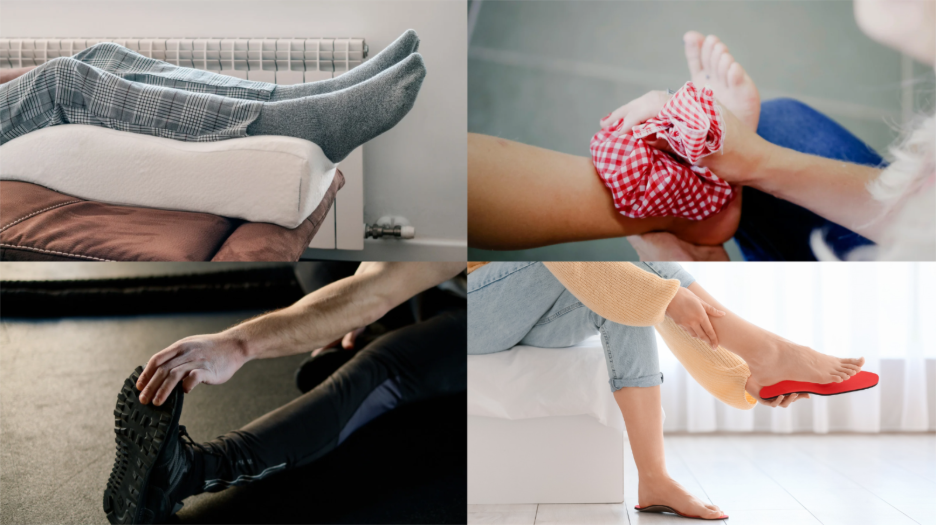
How to Relieve Lateral Foot Pain at Home
Rest and Activity Modification
Pause high-impact activities for a few days to allow inflammation to settle.
Ice the Outer Foot
Apply ice for 10–15 minutes to reduce swelling and soreness.
Wear Supportive Footwear
Choose shoes with firm structure, arch support, and a spacious toe box.
Stretch Tight Muscles
Calf and peroneal stretches reduce irritation and improve mobility.
Use Orthotics or Insoles
Supportive insoles reduce strain on the outer foot and correct alignment issues.
Avoid Tight or Narrow Shoes
Footwear that rubs on the outer ankle can worsen lateral pain.
If symptoms improve but keep returning, it’s a sign of underlying tendon or structural issues that need professional assessment.
When to See a Doctor for Outer Foot Pain
You should schedule a podiatry evaluation if:
- Pain lasts more than 1–2 weeks
- You notice swelling or redness
- You feel tenderness over a specific spot
- You have difficulty walking or standing
- There is a bump on the outside of the foot
- Pain returns each time you wear certain shoes
A podiatrist can assess whether the issue is tendon-related, bone-related, or due to mechanics or footwear, and guide you toward the correct treatment plan. If you’re unsure whether your symptoms need professional evaluation, our guide on choosing the right specialist for foot pain can help you determine the best next step.
Final Thoughts
Pain along the outside of the foot can stem from overuse, footwear irritation, tendon inflammation, stress fractures, or biomechanical issues. While mild cases may improve with rest and supportive shoes, ongoing symptoms deserve expert care, especially if pain worsens with activity or affects daily mobility.
If you’re looking for a trusted, compassionate place to receive care, Allevio Care Anywhere brings expert podiatric treatment directly to you. Our providers evaluate, diagnose, and treat foot conditions in the comfort of your home.
Schedule your visit today with Allevio Care Anywhere


