


Toenail fungus may start small, a faint white or yellow spot on the nail surface but without proper treatment, it can progress into a stubborn infection that affects nail thickness, color, comfort, and mobility. Understanding the stages of fungus on toenails, recognizing the beginning stages of fungus on toenails, and knowing how long it takes to cure toenail fungus can help you take action before the infection becomes difficult to manage.
This guide breaks down how toenail fungus develops, the realistic treatment timelines, and when it’s time to involve a podiatrist.
Understanding the Stages of Toenail Fungus
Toenail fungus (onychomycosis) develops gradually. It doesn’t appear suddenly or dramatically; instead, the infection deepens with time, causing more noticeable symptoms at every stage. Early identification followed by consistent treatment is the most effective way to prevent long-term nail damage.
Early Stage: Subtle Discoloration and Soft Changes
(Beginning stages of fungus on toenails)
The first stage is easy to overlook. You may notice:
- A small white, yellow, or slightly off-colored spot
- Reduced shine or gloss
- Mild softening near the nail’s edge
- Tiny lifting of the nail from the nail bed
There is typically no pain during this phase, which is why many people assume it's harmless. However, this is the ideal time to begin treatment, before the fungus becomes deeply rooted.
Moderate Stage: Spreading Discoloration and Thickening
As the infection progresses, symptoms become more visible:
- Yellow, brown, or darker discoloration
- Increased nail thickness or hardness
- Crumbling around edges
- Debris building underneath the nail
- Noticeable distortion in nail shape
At this point, over-the-counter treatments rarely work on their own. A podiatrist may recommend prescription topicals, oral antifungals, or debridement to slow the infection’s progression.
Advanced Stage: Severe Nail Changes and Discomfort
Untreated toenail fungus can become painful and disruptive. In advanced cases, the nail may:
- Become significantly thickened and brittle
- Break, split, or crack easily
- Produce an odor
- Lift or detach from the nail bed
Daily activities like walking, exercising, or wearing shoes can become uncomfortable. This stage requires medical intervention to prevent the infection from spreading further.
Severe Stage: Spread to Surrounding Skin
If fungus spreads beyond the nail, you may notice:
- Red, irritated, or peeling skin
- Itching or burning
- Signs of athlete’s foot
- Higher risk of secondary infections
People with diabetes, neuropathy, circulatory issues, or compromised immune systems should seek care immediately, as complications can develop quickly.
How Long Does It Take to Cure Toenail Fungus?
Patients often ask: How long does it take to cure toenail fungus?
The answer depends on the infection’s stage, the chosen treatment, and how quickly your nails grow.
Here is what you can realistically expect.
Topical Treatment Timeline
Prescription topical antifungals work best in the earliest stages.
Typical duration:
6–12 months
This timeline reflects how long it takes for the infected portion of the nail to grow out fully. Toenails grow slowly around 1–2 mm per month, so patience is essential.
Oral Medication Timeline
For moderate or advanced infections, oral antifungals are often the most effective option.
Typical duration:
- Improvement begins within 2–4 weeks
- Full clearance in 3–6 months
Oral medications deliver antifungal activity through the bloodstream and are often combined with debridement for optimal results.
Professional Podiatric Treatment Timeline
Podiatrists may treat fungus using a combination of:
- Nail debridement (reducing nail thickness)
- High-strength topical medications
- Oral medication (when appropriate)
- Nail removal in severe cases
Typical duration:
4–8 weeks for visible improvement
3–12 months for complete nail regrowth
This approach provides the highest likelihood of long-term, reliable results.
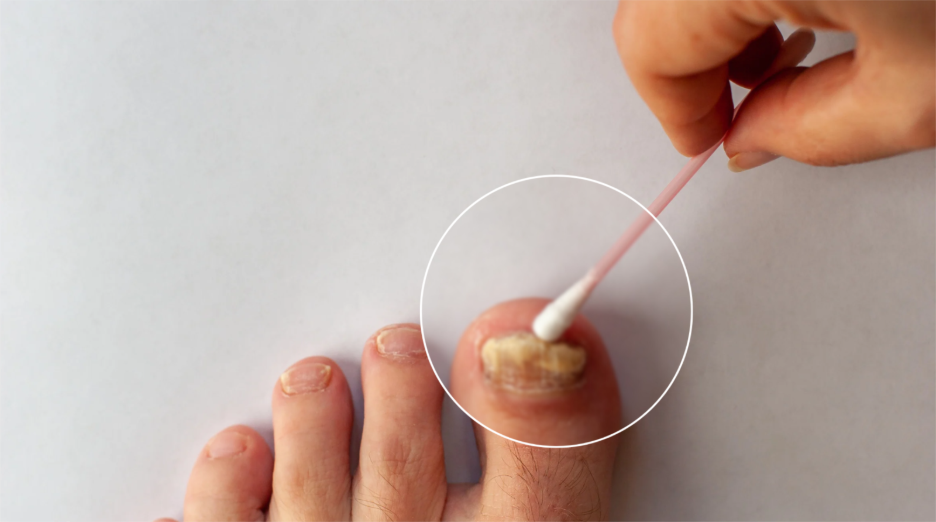
At-Home Remedies: What to Expect
Natural products like tea tree oil, vinegar soaks, and essential oils may improve nail appearance temporarily but are rarely strong enough to cure the infection.
Typical duration:
No predictable timeline, and usually no full cure without medical treatment.
When to See a Podiatrist
You should schedule a podiatry appointment if:
- Discoloration continues to spread
- Nails become painful, brittle, or thick
- You notice lifting or separation
- You have diabetes or neuropathy
- OTC treatments haven’t worked after 4–6 weeks
If you’re unsure which doctor to see or whether toenail fungus is contagious, our related guide offers clarity: What Type of Doctor Should You See for Toenail Fungus—and Is It Contagious?
Preventing Recurrence: Long-Term Nail Health
Toenail fungus tends to return if preventive habits aren’t followed. Protect your nails by:
- Wearing breathable, moisture-wicking socks
- Keeping feet clean and dry
- Avoiding walking barefoot in shared wet areas
- Using antifungal foot sprays or powders when needed
- Trimming nails straight across
- Rotating shoes to reduce moisture buildup
Regular podiatric visits can also help detect early reinfection before symptoms worsen.
Final Thoughts
Toenail fungus rarely clears on its own. But with early detection, consistent treatment, and proper guidance, most patients can restore healthy nail growth and prevent long-term complications. Whether you are just noticing subtle discoloration or dealing with advanced symptoms, timely podiatric care makes all the difference.
For personalized evaluation and treatment, delivered right to your home. You can schedule an appointment with Allevio Care Anywhere. We are in Houston, Utah, Idaho and Nebraska.


