


When an ingrown toenail becomes red, swollen, or painful, it’s natural to wonder: “Do ingrown toenails go away on their own?” or “Will an ingrown toenail go away if I just leave it alone?”
While very mild cases may improve with gentle care and reduced pressure, most ingrown nails do not fully resolve without treatment. In fact, waiting too long can lead to infection, worsening inflammation, and repeated ingrowth that becomes more difficult to correct.
This guide explains when an ingrown toenail might heal naturally, when it won’t, the risks of waiting too long, and how to safely care for the toe until you can see a podiatrist.
Can an Ingrown Toenail Heal Itself?
The answer is: sometimes, but only under the right conditions.
An ingrown nail may improve on its own when:
- The nail edge is barely touching the skin
- There is minimal pain or swelling
- Shoes aren’t adding pressure
- The area stays clean and dry
- There is no infection
Even then, the healing process can be slow, and the issue can return if the underlying cause isn’t addressed.
In reality, many people misjudge the severity of their symptoms or wait too long, hoping the nail will self-correct. Understanding the early signs of progression can help prevent complications.
Sometimes discoloration accompanies the early stages of inflammation as well. If you ever notice your toenails turning purple, blue, or unusually dark along with pain, our guide on why toenails become purple and when you should see a doctor explains what those color changes can mean and how circulation issues or trauma may affect nail healing.
Will an Ingrown Toenail Go Away If You Ignore It?
Ignoring an ingrown toenail rarely leads to improvement. Instead, the nail continues growing into the skin, causing:
- Worsening pain
- Increased redness and swelling
- Warmth or throbbing
- Pus or drainage
- Skin growing over the nail edge
If you have diabetes, neuropathy, poor circulation, or a history of slow wound healing, never wait to see if an ingrown toenail will resolve itself. Even mild cases can become serious very quickly.
Why Ingrown Toenails Often Don’t Go Away on Their Own
Even if the discomfort seems minor at first, several factors make natural healing unlikely:
Nail Shape
Curved or fan-shaped nails often grow sideways into the skin.
Improper Nail Trimming
Cutting nails too short or rounding the edges invites the skin to fold over the nail.
Pressure From Shoes
Tight, narrow, or pointed footwear pushes the nail deeper into the skin.
Repetitive Trauma
Running, bumping the toe, or standing for long periods can worsen inflammation.
Underlying Skin or Circulation Issues
Swelling or poor circulation traps the nail edge beneath the skin, preventing it from lifting away.
Because these structural or environmental factors don’t resolve on their own, the ingrown nail typically gets worse, not better.
When Ingrown Toenails Might Improve Naturally
Mild cases may improve with conservative steps, especially when caught early.
Healing is more likely when:
- Pain is very mild
- Redness is minimal
- There is no discharge
- Shoes are not aggravating the area
- You avoid cutting the nail further
However, even mild improvement doesn’t guarantee the problem won’t return. Many ingrown nails repeat until the root cause is treated.
Signs an Ingrown Toenail Will Not Heal by Itself
You should not wait for natural healing if any of the following appear:
- Pain that keeps worsening
- Redness spreading around the skin
- Warmth or throbbing
- Difficulty wearing shoes
- Drainage, pus, or odor
- Swelling around the nail fold
- Skin growing over the nail
- A history of recurring ingrown nails
If any of these symptoms are present, the ingrown toenail will not heal without proper podiatric care.
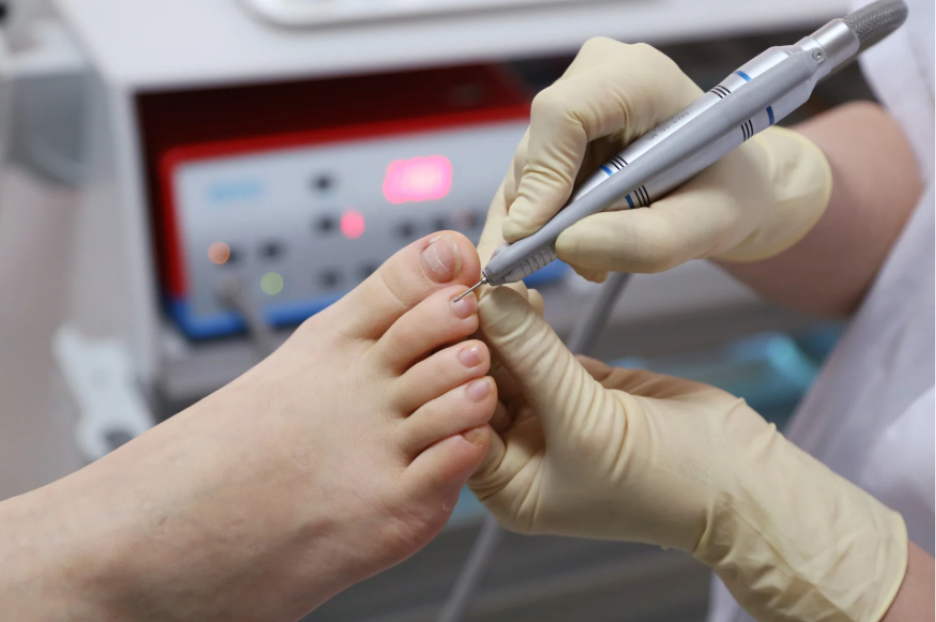
Safe Home Care for Mild Cases
If symptoms are extremely mild, you may try short-term conservative care while monitoring the toe closely:
Warm Foot Soaks
Soak the foot in warm, soapy water for 10–15 minutes to soften the skin and reduce tenderness.
Wear Pressure-Free Footwear
Choose open-toe shoes or soft, wide footwear until the irritation calms.
Apply a Light Topical Antibiotic
This helps reduce surface irritation and lower infection risk.
Avoid Digging, Cutting, or Pulling at the Nail
Attempting “bathroom surgery” almost always makes the condition worse.
Do Not Insert Cotton or Dental Floss Under the Nail
This outdated method increases the risk of infection.
If symptoms worsen or fail to improve within 24–48 hours, stop home care and seek professional help.
When to See a Podiatrist Instead of Waiting
A podiatrist should evaluate your ingrown toenail if:
- You suspect infection
- Pain interferes with walking
- You see pus or drainage
- The area is hot or throbbing
- Symptoms return repeatedly
- The nail has begun curving sharply inward
- You have diabetes or neuropathy
- The skin has folded over the nail edge
A podiatrist can relieve the pressure quickly and safely. Many patients experience immediate comfort after treatment, and long-term recurrence can often be prevented with simple techniques or minor procedures.
Final Thoughts
So, does an ingrown toenail heal itself? Occasionally, very mild cases do. Most do not.
If your toe is red, swollen, painful, or showing early signs of infection, the problem is unlikely to resolve on its own. Early professional care prevents complications and helps ensure the nail grows normally in the future.
Schedule your visit with Allevio Care Anywhere that provides compassionate, expert podiatric care directly in the comfort of your home. If you’re looking for safe, trustworthy treatment and long-term relief, our clinicians are here to help you heal quickly and comfortably.


