


As we age, our feet undergo natural changes that can affect comfort, balance, and mobility. Skin becomes thinner, circulation may decline, and joints can stiffen, making the feet more vulnerable to injury and chronic conditions.
Understanding these changes is essential for maintaining independence and quality of life. With proper awareness and timely care, many foot problems in seniors can be managed effectively helping reduce discomfort, prevent complications, and support long-term mobility.
Why Foot Problems Increase With Age
Aging affects multiple systems that directly impact foot health. These changes often develop gradually but can have a significant effect over time.
Key contributing factors include:
- Reduced circulation, which slows healing and increases infection risk
- Thinning skin, making the feet more prone to cuts, cracks, and irritation
- Joint stiffness and arthritis, limiting flexibility and altering gait
- Nerve changes, especially in individuals with diabetes
- Years of pressure and footwear habits, affecting foot structure
These combined factors explain why elderly foot problems are both common and often progressive if not addressed early.
What Are Common Foot Problems in Older Adults?
Several conditions frequently affect aging feet. Recognizing early signs can help prevent discomfort and more serious complications.
Calluses and Corns
Calluses and corns are areas of thickened skin caused by repeated pressure or friction. They are among the most common foot problems in seniors.
Common signs include:
- Thick, hardened skin on the heel or ball of the foot
- Yellowish or rough patches
- Discomfort when walking or standing
While often painless at first, calluses can become problematic if they thicken or crack, especially in individuals with diabetes, where even small skin openings can lead to infection.
Toenail Changes and Nail Disorders
Aging can significantly affect nail health, leading to:
- Thickened or brittle nails
- Fungal nail infections
- Ingrown toenails
- Curved or difficult-to-trim nails
These changes can cause discomfort and increase the risk of infection if not properly managed. Routine nail care becomes more important with age, particularly for individuals with limited mobility.
Bunions and Toe Deformities
Structural changes in the foot may lead to bunions, hammertoes, or overlapping toes. These conditions often develop gradually due to:
- Long-term pressure from footwear
- Joint changes
- Genetic predisposition
Symptoms may include:
- Visible deformities in the toes
- Pain or pressure when wearing shoes
- Difficulty walking comfortably
Over time, these deformities can contribute to additional pressure points, increasing the risk of calluses, corns, or ulcers.
Heel Pain and Plantar Fasciitis
Heel pain is a frequent concern among older adults and is often associated with plantar fasciitis.
Typical symptoms include:
- Sharp heel pain, especially with the first steps in the morning
- Discomfort after periods of rest
- Increased pain with prolonged standing
Without proper support and care, this condition can limit mobility and daily activity.
Dry Skin and Cracked Heels
As skin loses elasticity and moisture with age, dryness becomes more common. This is one of the more overlooked old people feet problems, yet it can lead to complications.
What to watch for:
- Flaky or rough skin
- Deep cracks in the heel
- Discomfort or pain when walking
Cracked skin can serve as an entry point for bacteria, increasing the risk of infection, particularly in vulnerable individuals.
Diabetic Foot Complications
For older adults with diabetes, foot care requires additional attention. Diabetes can impair both circulation and nerve function, increasing the risk of serious complications. These ulcers often begin with seemingly minor issues such as calluses, blisters, or small wounds.
Common concerns include:
- Reduced sensation (peripheral neuropathy)
- Delayed wound healing
- Increased susceptibility to infection
Because these changes may reduce the ability to feel pain, injuries can go unnoticed and worsen over time. This makes early monitoring and professional care essential.
For a deeper understanding of why specialized care matters, this guide on podiatry care for seniors explains how targeted treatment can help prevent complications and maintain mobility.
Warning Signs That Should Not Be Ignored
While some foot problems in seniors may appear mild, certain symptoms require prompt evaluation.
Seek professional care if you notice:
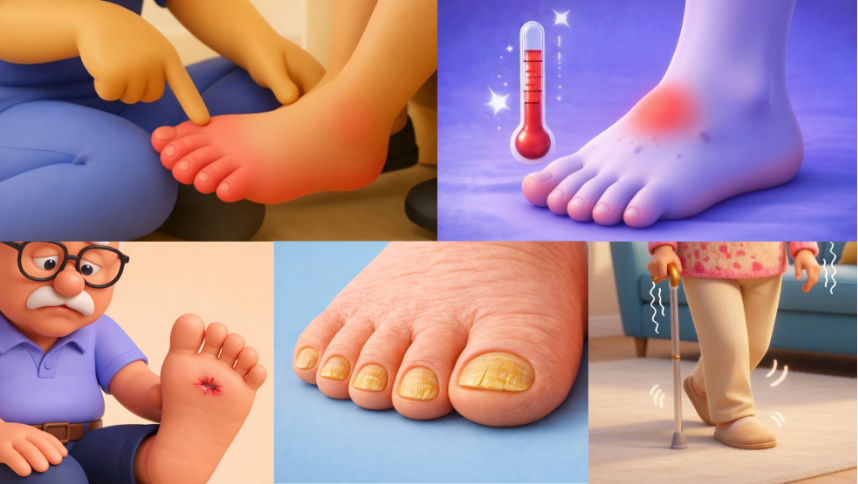
- Persistent pain or swelling
- Changes in skin color or temperature
- Open sores or wounds that do not heal
- Thickened, discolored, or damaged nails
- Difficulty walking or maintaining balance
Early intervention can prevent minor concerns from progressing into more serious conditions.
The Importance of Foot Care for the Elderly
Consistent foot care for the elderly plays a critical role in maintaining comfort, mobility, and independence.
Daily Care Recommendations:
- Inspect feet daily for changes, cuts, or pressure areas
- Keep feet clean and dry
- Moisturize regularly to prevent dryness and cracking
- Wear properly fitted, supportive footwear
- Trim nails carefully and straight across
For individuals with limited flexibility, vision challenges, or chronic conditions, routine foot care may require assistance from a caregiver or healthcare professional.
When Professional Foot Care Is Recommended
While preventive care at home is important, professional evaluation is often the safest option, especially for individuals at higher risk.
A podiatrist can:
- Safely trim thick or difficult nails
- Treat calluses and reduce pressure points
- Evaluate circulation and nerve function
- Identify early signs of infection or skin breakdown
For individuals with diabetes, circulation issues, or mobility limitations, routine professional care is essential to reduce risk and maintain foot health.
Supporting Comfort and Mobility With Expert Care
Understanding what common foot problems in older adults are helps patients and caregivers take proactive steps toward prevention and treatment. While many conditions are manageable, ignoring early signs can lead to discomfort, reduced mobility, and more serious complications.
Allevio Care Anywhere provides compassionate, expert in-home podiatry services designed to support older adults in maintaining healthy, comfortable feet. Our team focuses on early detection, personalized care, and ongoing support, helping patients remain safe and independent.
If you or a loved one could benefit from professional foot care, you can request an appointment through the contact page to receive in-home services tailored to your needs. Allevio Care Anywhere proudly serves patients across Utah, Idaho, Houston, and Nebraska, you can explore all service areas on our locations page to find care near you.
Early, expert care can make a meaningful difference in preserving mobility, preventing complications, and improving overall quality of life.


